
SQL (Structured Query Language) is the standard language for managing and manipulating data in relational databases. It's an essential tool that allows you to communicate with the databases that power modern applications.
We just published a course on the freeCodeCamp Spanish YouTube channel that will guide you step by step through the fundamentals of SQL. During the course, you’ll learn the core concepts that you need to get started.
If you have Spanish-speaking friends, you're welcome to share the Spanish version of this article with them.
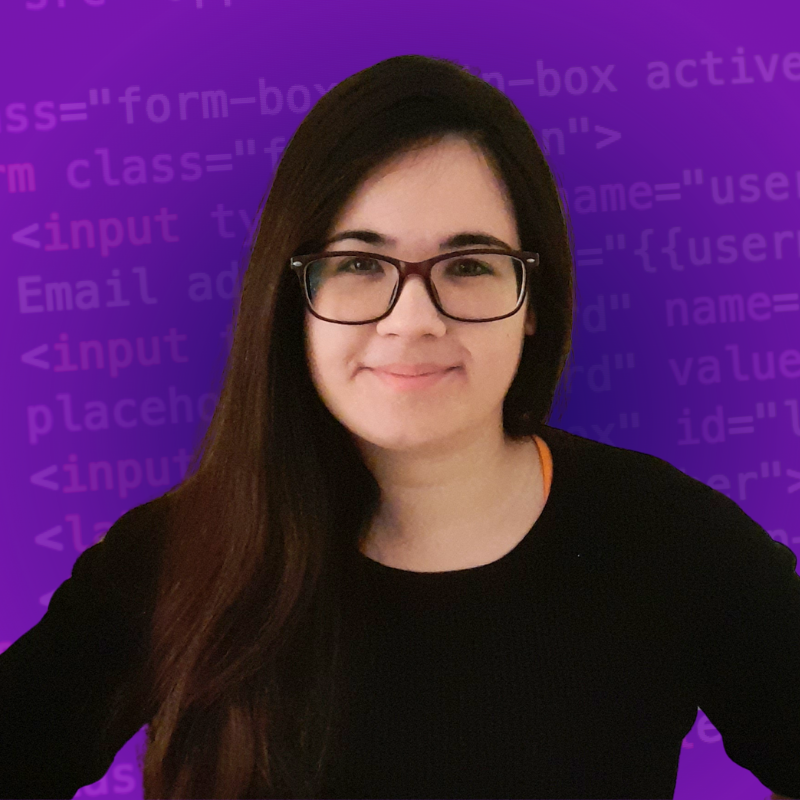
The course was created by Sergie Code. Sergie is a software engineer and content creator who loves teaching and sharing his knowledge. His work is focused on JavaScript, including React.js, Angular.js, and other frameworks.
Before we dive into the course content, let's see what SQL is, and why you should learn it.
What is SQL and Why Should You Learn it?
Data is everywhere. Modern platforms and organizations use databases every single day. When you sign in to a website with your username and password, you're using the power of databases.
By mastering SQL, you'll be able to extract insights from data, a skill that is highly valued across software engineering, data science, business, and other related areas.
SQL is a specialized language designed for managing data stored in relational databases. With SQL, you can create databases, define their structure, and perform key operations such as creating, inserting, updating, and deleting records.
One of SQL's core features is that it allows you to retrieve data through queries, to find the exact data that you or your application need very quickly.
SQL Course in Spanish
Great. Now that you know more about SQL, let's see what you’ll learn during the course:
Introduction to SQL and Databases.
SQL vs. MySQL, PostgreSQL, and SQL Server.
Relational Database Hierarchy.
DBngin and TablePlus.
Data Definition Language (DDL): CREATE, DROP, ALTER, and DESCRIBE.
Working with Tables, Attributes, and Constraints.
Foreign Keys and Table Relationships.
Data Manipulation Language (DML): INSERT, UPDATE, DELETE, and TRUNCATE.
Data Query Language (DQL): SELECT FROM, WHERE, and ORDER BY.
Aggregation Functions (COUNT, SUM, AVG).
INNER JOIN, LEFT JOIN, RIGHT JOIN, and 3-Table Joins.
Subqueries, GROUP BY, and HAVING.
Managing SQL with Docker and Environment Variables.
Best Practices and Practical Examples.
By the end of the course, you’ll be familiar with the fundamentals of SQL and you’ll be ready to start building and managing your own relational databases.
If you’re ready to start learning SQL, check out the course on the freeCodeCamp Spanish YouTube channel:
✍️ Course created by Sergie Code.
Youtube: @SergieCode
Instagram: sergiecode
LinkedIn: Sergie Code
GitHub: sergiecode
Facebook: sergiecodeok
TikTok: @sergiecode
Twitter: @sergiecode
Threads: @sergiecode